
Last updated 2026-09-09 • Written by PrimeBiome Information Hub Editorial Team
Slippery elm bark: traditional use and evidence context
PrimeBiome label context: Slippery elm bark powder is listed in the proprietary blend.
Slippery elm bark: traditional use and evidence context is part of our ingredient-research cluster. The purpose is to explain the ingredient in general scientific context without implying that research on an isolated ingredient proves the finished PrimeBiome gummy works the same way.
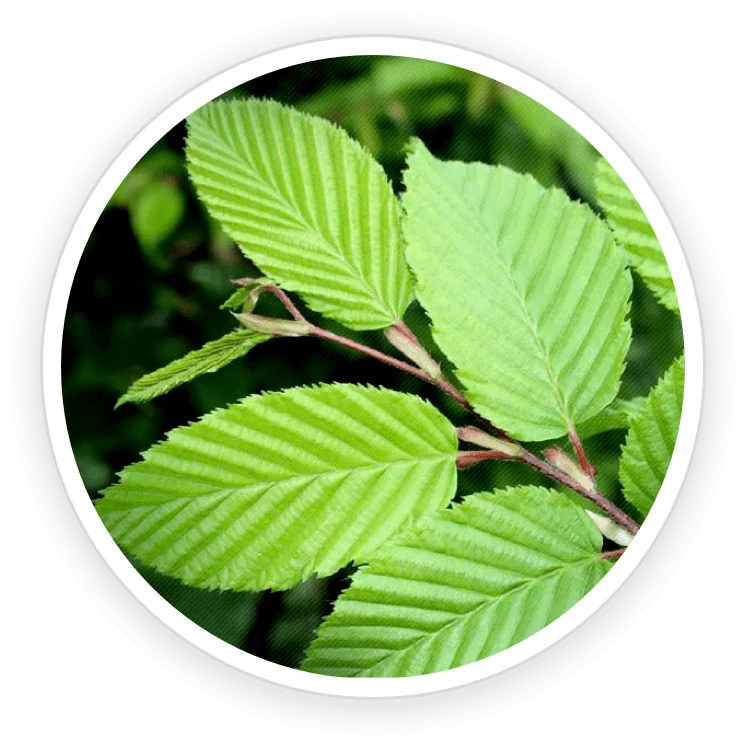
What is it?
Inner bark of the north american tree ulmus rubra. Slippery elm inner bark contains mucilaginous material and has a history of oral use for throat and gastrointestinal comfort. Traditional use is broader than the modern clinical evidence base.
Why is it relevant to PrimeBiome?
The ingredient appears on the current PrimeBiome Supplement Facts panel. The label is useful for confirming presence, but it does not necessarily tell us the exact species strain, extract standardization or stand-alone amount for ingredients inside the proprietary blend. That limits how precisely outside research can be mapped onto the finished product.
What does the research show?
A PubMed/LiverTox overview notes historical oral and topical use and does not identify established liver injury from slippery elm. Research on effects in complex gut-microbiota models exists, but robust human outcome trials are limited.
When reading an ingredient study, pay attention to the exact material tested, dose, duration, participant population and primary outcome. Those details matter more than whether the ingredient name simply appears on a commercial label.
Safety and tolerability context
The available background does not justify promising a therapeutic effect. As with other mucilage-rich botanicals, people using medications may wish to ask a healthcare professional about timing or interaction concerns.
The PrimeBiome label separately advises people under a physician's care, taking medication, pregnant, nursing or living with a known medical condition to consult a healthcare professional before use.
What this research cannot tell you about PrimeBiome
It cannot establish the effectiveness of the finished product, predict individual results or reveal the amount of a botanical that the label places inside the 430 mg proprietary blend. Finished-product claims require finished-product evidence. This distinction is central to our editorial policy.
References and further reading
These sources provide background on the ingredient or topic. They do not establish that PrimeBiome itself produces the same outcomes studied in other products, strains, doses or populations.
Related reading
Why dose and preparation matter
Ingredient research is most useful when the tested material resembles the ingredient in the product. A whole herb, standardized extract, purified compound, spore-forming probiotic strain and fermentable fiber can each be studied at very different doses. PrimeBiome’s botanical ingredients are grouped under one 430 mg proprietary blend, so the label does not allow a direct milligram-for-milligram comparison with most outside trials.
This is not a reason to ignore the research. It is a reason to interpret it at the right level: as background about an ingredient, not as a forecast of what a multi-ingredient gummy will do.
Evidence hierarchy for Slippery elm bark: traditional use and evidence context
Human randomized trials generally provide stronger outcome evidence than animal or cell studies, while systematic reviews can help summarize multiple studies. Traditional use can explain why an ingredient attracts interest, but it does not substitute for controlled human evidence. Safety reviews and case reports are also important because an ingredient’s risk profile may not be visible from benefit-focused marketing.
Questions to ask when comparing products
- Is the exact strain, species or plant preparation identified?
- Is the amount disclosed or hidden inside a proprietary blend?
- Does the cited research use a similar preparation and dose?
- Are the study outcomes relevant to the claim being made?
- Does the label include cautions that apply to your health situation?
PrimeBiome-specific takeaway
The ingredient’s presence helps explain the design of the PrimeBiome formula, but presence alone is not a clinically meaningful dose statement. Use this article together with the full Supplement Facts page and safety guide before drawing conclusions about the finished product.
Review PrimeBiome in product context
Review the live package presentation, shipping line and guarantee terms before ordering.